Skip to content

Manufacturing model

Dermocosmetics Contract Manufacturing

Dermocosmetics manufacturing covers active-led products targeted at a specific skin concern, with verified efficacy and stability. KCM Pharma develops formulations around actives such as niacinamide, retinol, hyaluronic acid and salicylic acid, testing active stability, pH balance and skin compatibility so the product suits pharmacy, clinical and dermocosmetic channels.

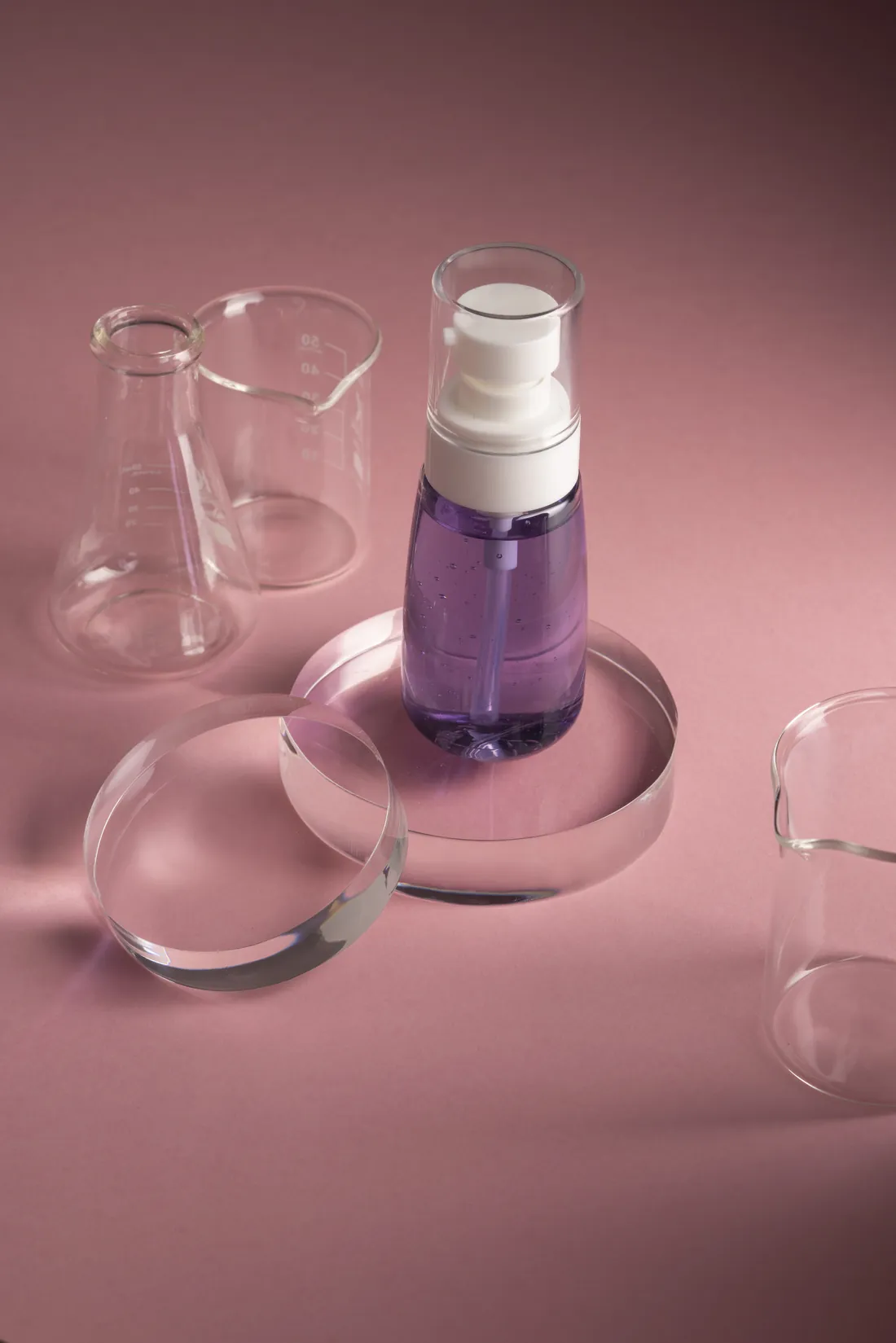
A serum bottle beside laboratory glassware

Who this model suits

  • Dermocosmetic brands entering the pharmacy channel
  • Clinics launching products with dermatologist or aesthetician collaboration
  • Brands making scientific claims and selling on efficacy data
  • Companies adding an active-led line to an existing care range

What's included

Active selection
Choosing the right active for the target concern at an effective and tolerable level.
Stability engineering
Oxidation and pH control for sensitive actives such as retinol and vitamin C, with suitable packaging.
Test protocols
Stability, microbiology, packaging compatibility and, where required, skin compatibility testing.
Product safety report
Regulatory safety assessment and preparation of the technical dossier.
Channel documentation
Providing the technical documents pharmacy and clinical channels require.

Active concentration alone is not enough

A dermocosmetic's effect is determined not by active concentration alone but by the carrier system, the pH, and whether the active stays stable across shelf life. A high but unstable active does less than a lower, well-protected one. Our formulation work focuses on getting that balance right.

Packaging is part of the formula

Retinol, vitamin C and several botanical actives are sensitive to light and oxygen. For these products, airless or opaque packaging is not a design preference but a technical requirement for the formula to keep working. We decide packaging alongside formulation.

The distance between a claim and its evidence

The claims your product carries must be supportable by the test data you hold. We clarify which claim requires which test at the start, so you can build defensible communication without taking on unnecessary testing cost.

The four models side by side

Choosing the right model is the decision that most affects a project's timeline and cost. The table below compares all four against the same criteria.

The four models side by side
CriterionContractPrivate LabelDermocosmeticsOEM / ODM
Formula sourceYour formula, or developed exclusively for youReady formula libraryBespoke, active-led developmentConcept developed by our R&D team
Typical timeline8–12 weeks6–10 weeks4–6 months3–5 months
What we need from youA formula or a clear product definitionCategory and brand directionTarget concern and claimTarget audience and price band
DistinctivenessHighMediumVery highHigh
Best suited toBrands with a settled product seeking capacityA fast, low-risk first launchPharmacy and clinical channels, scientific claimsBrands seeking direction without R&D capacity
  1. 01Brief & feasibilityWe align on concept, audience, target shelf price and volume. The technical team returns a feasibility read.2–5 days
  2. 02Formulation developmentR&D develops the formula — or adapts an existing one — to the target efficacy, texture and ingredient profile.2–4 weeks
  3. 03Sample & revisionA lab sample is produced, evaluated and revised until it is signed off.1–3 weeks
  4. 04Stability & safety testingStability, microbiology and packaging compatibility testing; the product safety report is prepared.4–12 weeks

Questions about this model

What is the difference between dermocosmetics and cosmetics?

Dermocosmetics are cosmetic products containing actives targeted at a specific skin concern, with supported efficacy. Legally both fall under cosmetics regulation; the difference lies in the formulation approach, active levels and usually the sales channel.

Do I have to run efficacy testing?

Regulation does not require efficacy testing for every product — the safety assessment is what is mandatory. However, if your product carries a specific efficacy claim, that claim must be supported by data.

Does the pharmacy channel need extra documentation?

The pharmacy channel usually asks for technical documents such as the product safety report, certificate of analysis and ingredient list. We prepare these alongside production.

Get a quote for dermocosmetics.

We respond to quote requests within 24 hours.

Briefs and formulas you share are handled under a confidentiality agreement.

Request a QuoteWhatsAppCall